
November is Men’s Health Month, and it’s got me thinking about how health is different for men compared to women.
While times are of course changing and more progressive and equal opportunities continue to materialise, men still die earlier (an average of 4 years before women), are twice as likely to die of heart disease, and have almost a 40% higher change of dying from cancer. Men are also almost three times more likely to become dependent on alcohol, have a higher rate of obesity, and spend around a fifth of their life in poor health.
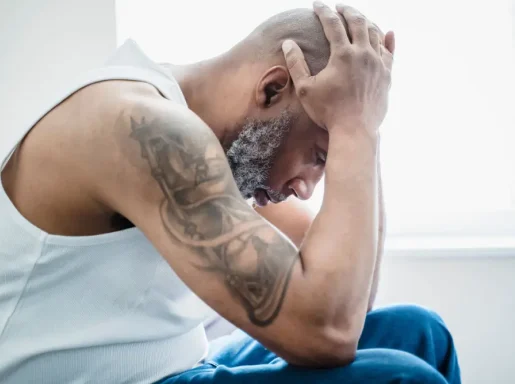
But for me, the most sobering statistic related to men’s health comes in the form of mental health; men account for up to 80% of all suicides in the UK, and suicide is the leading cause of death for men under 50.
When researching for this article, I read the Government’s most recent policy paper on men’s health, and it highlighted reasons that could be causing such alarming statistics.
While we know that there are differences in hormones, our biology, and our neurology, that doesn’t necessarily explain everything. For example, men are statistically more likely to turn to addictive and health-risk behaviours like smoking, alcohol and substance misuse, and harmful gambling, one reason given in the research is that these behaviours are linked to social isolation.
In addition, men face further challenges when trying to access healthcare as often their job roles are less flexible, so finding the time to go to see a professional during a working day can be problematic, and certain areas of healthcare such as weight loss are seen as ‘feminine’.
So what can be done? The Government has established six levers to improve men’s health as part of a 10 year plan. This starts with tacking health challenges and conditions, moving on to addressing societal norms, fostering strong social, community, and family networks, developing healthy living and working conditions, supporting individual behaviours, and culminating in improving access to healthcare services.
How these are bought to life remains to be seen, but in the meantime, we all need to play our part. The main way to do this is to check in with the men in our life and not just ask how they are, but truly listen. The well-known recommendation is to ask twice – the default answer is often ‘I’m fine’, but by asking how someone is for a second time, it gives the opportunity to really open up a conversation.
It is also useful to be aware of signposts – places to direct men to. For example, this could be a local sports team like a five-a-side football group, or it could be a specific men’s group like Andy’s Man Club which offers free weekly meetings for men to talk and share if they choose.
And lastly, finding a therapist who works with male clients, such as myself, can provide that much-needed space for men to share their challenges, thoughts, and feelings in a confidential and safe space.