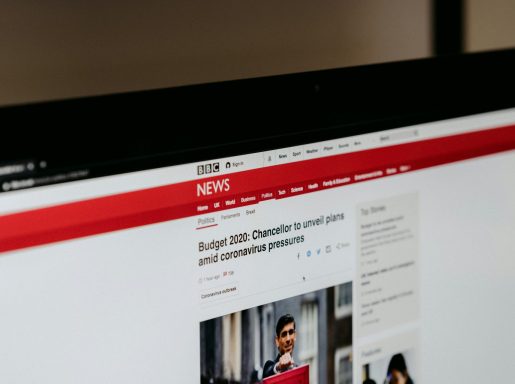
According to Ofcom data, almost all UK adults consume the news in some form, including 71% online, 70% via TV, and 52% via social media (this rises to 82% for 16-23 year olds).
A report from Be Broadcast this year analysed the News at 10 to look at patterns and understand how this can impact our mood, and the findings explained so much…
The data showered that more than 80% of the news programmes contained at least two crisis or scandal-led stories, and more than a third contained four or more. Meanwhile, just 3% of stories focused primarily on resolution or progress, so we’re only really seeing problems emerging, escalating, and the consequence, rather than how these problems conclude.
Lead stories set the tone, with 22% focused on politics, 17% geopolitics, 13% war, 9% crime, an 6% royal – this literally tells us that there is a lot of instability in the UK and wider world, which fuels our anxiety.
Including the anxiety of the broadcast journalists – the research showed 85% said work is moderately to extremely emotionally draining, with 55% saying it’s very or extremely demanding too.
Therefore it’s no wonder that Anxiety UK believes exposure to the news can trigger or exacerbate anxiety and suggest that we limit our exposure in ways that feel manageable – they suggest turning off news and social media notifications from our phones, not watching or reading the news last thing at night, and ultimately switching focus to what is within our control instead.
This can include aiming for physical movement, a balanced diet, reducing high caffeine and sugar, prioritising sleep and rest, focusing on positive aspects of life, and spending time in nature.
And of course, talking things through with a qualified professional to get the support that you deserve.
Get in touch if you feel the impact felt by the current news agenda is becoming too much to manage alone.