
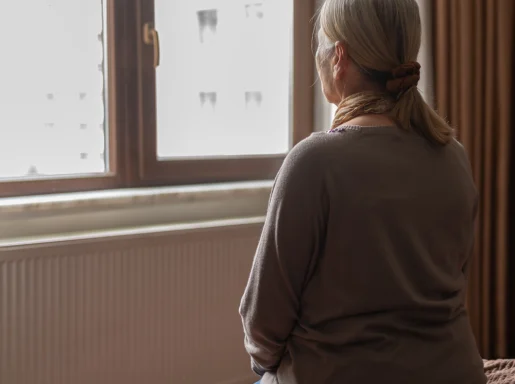
I debated what to call this blog, because it’s important to understand that I believe, first and foremost, that grief is a natural response to loss, and there is no shortcut to that. It can feel like our whole world has been turned upside down when we lose a loved one or pet – truly life-altering, and there is no a way to turn that grief off.
Grief can be caused in response to loss of a person or animal, and that can be through a bereavement, through long-term illness, through estrangement, through difficult relationships, and we can also grieve a change in circumstances, such as the breakdown in a relationship or friendship, change in family dynamics, or loss of a job or career.
The grief that we feel needs time, not least to process that the person or animal is no longer in our life. There is talk about stages of grief, which is a theory long followed, but one which I question. My belief is that everyone’s grief is unique, and even if you have experienced loss before, each bereavement feels different.
And there really isn’t a right or wrong way to grieve.
I often speak to my clients about the ‘whirlpool of grief’, which shows just how powerful loss can be, and how it can impact us sometimes when we least expect it. Our lives are changed and it can feel like we’re ‘stuck’ in a place of sadness with no way out.
Talking therapy is useful to understand what’s happening, why it’s happening, and what the next steps towards stability might look like.
My clients say they often don’t want to ‘bring their friends down’ or ‘remind their family’ by talking about their experiences of grief. In the counselling room, you don’t need to be mindful of those things, and can talk freely and let the tears flow without needing to be mindful of how others might react.
If you feel have experienced loss and want to talk through your feelings in a safe environment, book in for a free initial consultation to understand more about how counselling might be able to support you.